
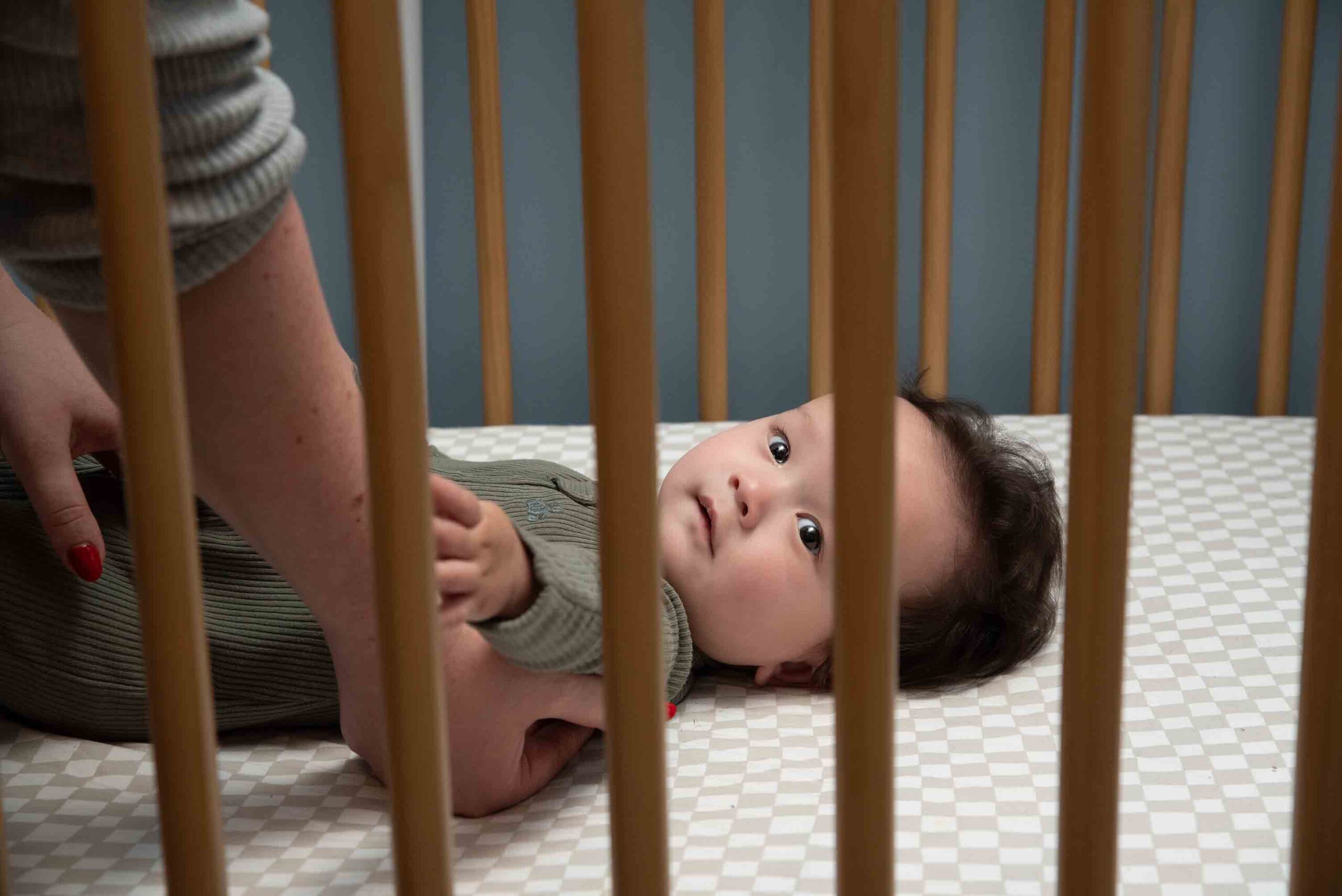
The Little Bear Who Didn’t Want to Sleep
There once was a little bear who never wanted to go to bed.
Each night, as the sky grew dark and the stars came out, she worried she might miss something fun. So she did everything she could to stay awake.
She asked for one more story.
One more drink of water.
One more hug.
And when that didn’t work, she simply stayed awake.
Mama Bear grew more and more tired.
Each night became a battle.
She tried everything she could think of.
She let Little Bear sleep in her bed—but that only made Little Bear more excited.
She tried sleeping in Little Bear’s room—but Little Bear thought it was time to play.
Nothing seemed to work.
One night, after many restless evenings, Mama Bear was so tired and so frustrated that she raised her voice.
“Go to sleep!” she said sharply.
The room grew very quiet.
Mama Bear had never spoken that way before.
Immediately, she felt a deep sadness in her heart.
Little Bear looked up, her eyes filling with tears.
“Do you not love me anymore?” she asked softly.
Mama Bear’s heart sank.
“Oh no,” she said, pulling Little Bear close.
“I love you very much.”
She paused, then spoke gently.
“But when I don’t get enough sleep, I feel tired and grumpy. My body doesn’t work the way it should. It’s harder for me to be patient and kind.”
She looked into Little Bear’s eyes.
“And when you don’t sleep, it makes it harder for both of us.”
Little Bear thought about this.
She didn’t want a tired, grumpy Mama Bear.
She wanted her warm, patient, smiling Mama Bear.
That night, when it was time for bed, Little Bear climbed under her covers.
She took a deep breath, closed her eyes, and let herself rest.
And something wonderful happened.
The next morning, Mama Bear woke up smiling.
Little Bear felt strong and happy.
And the whole forest seemed a little brighter.
Moral
We all need sleep to recharge—so we can feel our best and treat each other with kindness.
HOW TO SUPPORT YOUR CHILD’S SLEEP
If there is one place to start when supporting your child’s health, start with sleep.
Not medication.
Not supplements.
Not even nutrition alone.
Sleep.
Parents often go to the Pediatrician concerned about
- anxiety
- irritability
- difficulty focusing
- behavioral challenges
Many children are simply not getting enough quality sleep.
The tricky part is that tired children don’t always look tired.
They often look:
- hyper
- emotional
- unfocused
Which makes the problem easy to miss.
Sleep is not just rest.
It is when the body and brain do some of their most important work:
- the brain processes emotions
- stress hormones reset
- memory and learning are consolidated
- growth hormone is released
- the immune system strengthens
Sleep is when children recover, regulate, and grow.
What Happens When Sleep Is Off?
When a child is not well-rested, everything becomes harder:
- emotions are bigger
- frustration tolerance is lower
- anxiety increases
- focus declines
- the body becomes more inflamed
Many of the issues we try to “fix” during the day often start the night before.
Children today are growing up in an environment that works against sleep:
- increased screen exposure
- busy schedules
- inconsistent routines
- overstimulation late in the day
The body needs a clear signal to wind down—and many children are not getting that signal.
6 Practical Ways to Improve Sleep
The good news is that small changes can make a big difference.
1. Consistent Schedule
Children’s bodies thrive on rhythm.
- same bedtime
- same wake time
Even on weekends when possible.
2. Screen-Free Wind Down (at least 60 minutes)
Screens stimulate the brain and delay sleep.
Replace screens with:
- reading
- quiet play
- conversation
3. A Simple Bedtime Routine
Think of this as a signal to the brain:
“It’s time to rest.”
Example:
- bath
- book
- lights out
- calming music
- calming scent – like lavender
Consistency matters more than complexity.
4. Dim the Lights in the Evening
Light tells the brain to stay awake.
Lower lighting helps the body produce melatonin naturally.
5. Get Movement During the Day
Children who move during the day sleep better at night.
- outside play
- walking
- sports
Movement helps regulate the nervous system.
6. Don’t Fight the Body—Support It
If a child is overtired, bedtime often becomes harder, not easier.
Earlier bedtimes can sometimes solve the problem.
A Shift in Perspective
Many parents view sleep as a daily struggle.
But what if we reframed it?
Sleep is not something we force—it’s something we support.
When the environment is right, the body often does the rest.
If you improve your child’s sleep, you will likely see improvements in:
- mood
- behavior
- focus
- resilience
We often look for big solutions to big problems.
But in children’s health, the most powerful changes are often simple—and repeated daily.
Sleep is one of them.